
At 12:02 a.m., her eyelids sagged; the English word list wasn’t done, the classical Chinese passage only half memorized, and math formulas and historical events still ahead.
She tore out the vocabulary page, stuffed it into her mouth, and began to chew. The paper was rough, the ink bitter, but she swallowed.
Then she ripped out every page she had to memorize and swallowed them all.
When her mother opened the door to check homework, the girl turned with her brightest smile since term began. “I know it all now, Mom. Everything I ate is in my head.”
Her mother hugged her, laughing and crying.
She earned top marks. No more hovering at the pass line. When the teacher asked a question, she was always the first to raise her hand, the answers flowing.
Her mother bought the rest of the seventh-grade textbooks and workbooks. The girl ate books every day, nothing else, saving her stomach for knowledge.
By week two she was on eighth grade. Her mother stocked up on the ninth-, tenth-, eleventh-, and twelfth-grade sets as well. The girl stopped going to school, stayed home to eat books. Black ink traced the gaps in her teeth, the residue of knowledge.
Her classmates followed. Parents, delighted, called it efficient.
Publishers rolled out flavored study guides: strawberry, apple, mango, chocolate…
Two weeks before finals, the education bureau issued the Oral Textbook Pilot Guidelines. After morning exercises, students lined up for X-rays; the images measured chapter density in their stomachs. Those who met the standard were excused from homework.
On Parents’ Day, the district supervision chief “led by example,” but spat the chemistry book back up halfway through a page. An attendant wheeled over a collection bin. The monitor flashed: NON-ENROLLED SPECIMEN. Security carried him to the corridor.
The bell rang. The whole building went quiet, leaving only a faint, steady sound of chewing.
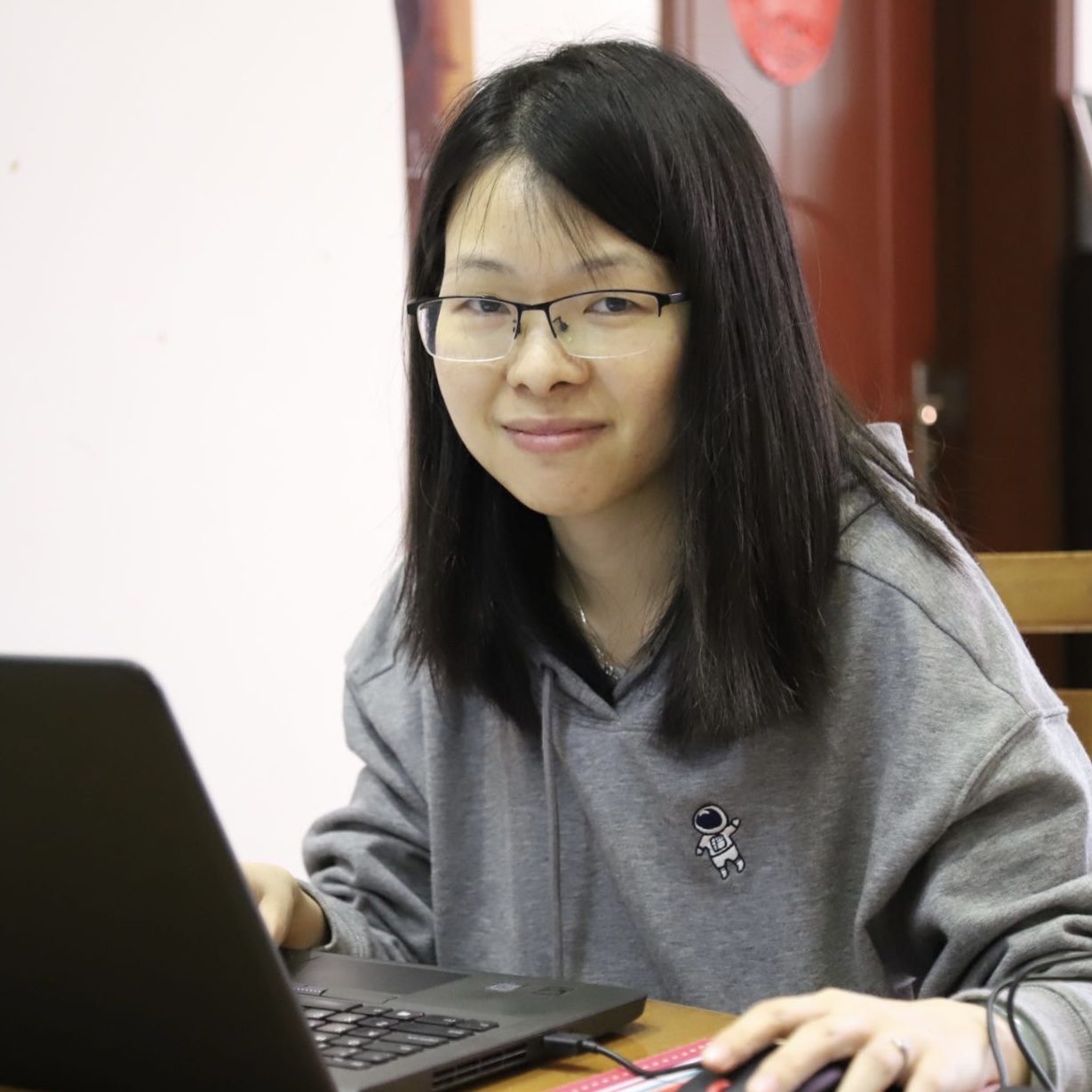
Huina Zheng either writes as an admissions coach at work or writes for fun after work. She lives in Guangzhou, China, with her family.